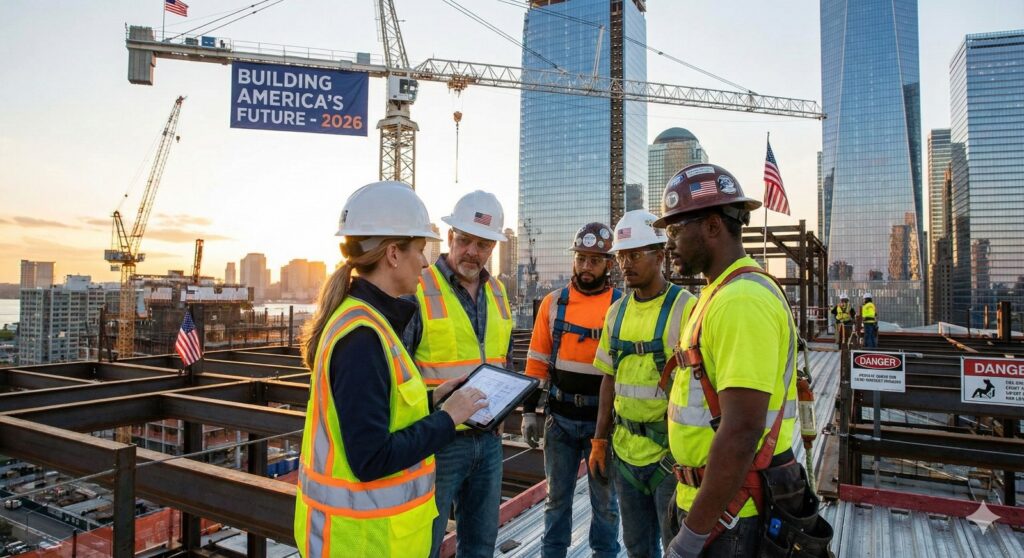
The American construction sector faces an unprecedented workforce crisis. With millions of projects underway nationwide and insufficient local talent to fill critical positions, companies are actively hiring international workers and foreign workers to bridge the gap. This shortage has created exceptional opportunities for skilled professionals worldwide who dream of getting us work authorization and building careers in America.
If you’re considering hiring foreign workers opportunities or wondering how to get USA employment in construction, this comprehensive guide reveals everything you need to know about relocating to the USA through construction employment programs that offer competitive compensation up to $80,000 annually or higher.
Why US Companies Are Hiring International Workers Now
The construction labor shortage isn’t temporary it’s structural. Baby boomer retirements, increased infrastructure spending, and housing demand have created an urgent need for qualified workers.
The federal government and individual states have responded by streamlining the work visa sponsorship process, making it easier for companies to bring in foreign talent legally. Understanding how to apply visa procedures correctly can position you for success in this competitive but rewarding field.
Pathways to Relocate to USA Through Construction Employment
Understanding Work Sponsorship Options
When companies are hiring international workers for construction roles, they typically utilize specific visa categories designed for skilled and semi-skilled positions. The most common pathways include:
H-2B Temporary Worker Program: Designed for seasonal or temporary construction needs, this visa paid program allows workers to stay in the US for up to three years initially. Many companies handling foreign work visa applications prefer this route for immediate staffing needs.
EB-3 Employment Visa Category: For those seeking to relocate usa permanently, this skilled worker visa or skilled labor visa pathway offers a direct route to green card sponsorship. While processing takes longer, it provides long-term stability and eventual permanent residency.
TN Status for Canadian and Mexican Nationals: Under NAFTA/USMCA agreements, certain construction professionals can more easily move from usa neighboring countries into American positions.
Understanding the us visa process and united states visa process requirements helps you target the right opportunities and prepare appropriate documentation.
High-Demand Construction Careers With Visa Sponsorship
Entry to Mid-Level Positions
Construction Laborers and General Workers: Even without advanced certifications, experienced laborers can find worker visa sponsorship opportunities. These positions typically offer $40,000-$55,000 annually, with many companies providing on-the-job training for career visa advancement.
Carpenters and Framers: With housing development exploding across Texas, Florida, and Arizona, carpentry skills are highly valued. Experienced carpenters with visa sponsorship companies can earn $55,000-$75,000, with top performers exceeding these ranges.
Concrete and Masonry Specialists: Infrastructure projects require massive concrete work. Companies offering employment visa support for these trades pay $50,000-$70,000 based on experience and project complexity.
Skilled Trade Professionals
Licensed Electricians: Among the most sought-after roles, electricians working through visa sponsorship programs earn $65,000-$95,000. The us application process for electricians often moves faster due to critical shortages.
Plumbers and Pipefitters: Water system specialists can command $60,000-$90,000 annually. Many visa agencies specialize in placing plumbing professionals because demand far exceeds domestic supply.
Welders and Metal Fabricators: Industrial construction, bridge work, and structural steel projects need certified welders. This skilled labour visa category offers $55,000-$85,000, with specialized welders earning significantly more.
HVAC Technicians: As buildings become more energy-efficient, HVAC expertise is invaluable. Technicians through worker sponsorship visa programs earn $60,000-$90,000, with commercial specialists at the higher end.
Equipment Operation and Supervision
Heavy Equipment Operators: Operating excavators, cranes, bulldozers, and other machinery requires certification and experience. These specialists earn $60,000-$80,000, with crane operators often exceeding $100,000 in major metropolitan areas.
Construction Supervisors and Project Managers: For those with extensive experience managing teams and projects, supervisor roles through usa sponsorship or us sponsorship programs offer $70,000-$110,000 plus benefits and bonuses.
Step-by-Step Guide to Get Visa Sponsorship
Phase 1: Research and Preparation
Identify Target States: Research where construction booms are happening. Texas leads in commercial development, Florida in residential growth, California in infrastructure renewal, and North Carolina in manufacturing facility construction. Understanding regional demands helps you focus your visa application efforts.
Assess Your Qualifications: Review your work history, certifications, and skills against typical job requirements. Even if you lack formal credentials, substantial hands-on experience often qualifies you for visa get opportunities, particularly in labor-intensive roles.
Understand Licensing Requirements: Some states require specific licenses for trades like electrical, plumbing, and HVAC work. Research whether your home country certifications transfer or if you’ll need to pursue local licensing after arrival. Many employers assist with this process as part of their service visa usa packages.
Phase 2: Job Search Strategy
Target Visa Sponsorship Companies: Not all construction firms offer sponsorship. Focus on:
- Large national contractors with experience in visa needed scenarios
- Companies with established international recruitment programs
- Firms that regularly file H-2B or EB-3 petitions
- Employers explicitly stating “visa help” or sponsorship in job postings
Leverage Multiple Job Platforms: Search Indeed, LinkedIn, Glassdoor, and specialized construction job boards using filters for “visa sponsorship,” “international candidates welcome,” or “will relocate international talent.” Many positions explicitly mention to apply visa sponsorship availability.
Engage With Recruitment Agencies: Specialized visa agencies and international staffing firms connect foreign workers with US employers. These agencies often handle the entire application of us work authorization process, from initial placement through visa on travel arrangements.
Network Through Trade Associations: Unions and professional associations in electrical, plumbing, and carpentry fields sometimes facilitate visa uk usa style exchanges or support international member hiring. Building these connections can open doors to unadvertised positions.
Phase 3: Application and Documentation
Prepare Comprehensive Materials: Your application package should include:
- Detailed resume highlighting relevant experience
- Copies of trade certifications or vocational training certificates
- Passport and identification documents
- Reference letters from previous employers
- Portfolio of completed projects (photos, descriptions)
- Safety training records (OSHA, first aid, equipment operation)
Craft Targeted Applications: Each visa application for uk visa or US visa contexts should be customized. Highlight how your skills address the employer’s specific needs. Mention your willingness to relocate usa and adapt to American construction standards.
Be Responsive: When employers express interest, respond promptly. Time zones may complicate communication, but quick, professional responses demonstrate reliability—crucial when companies are considering expensive visa sponsorship.
Phase 4: Interview and Assessment
Prepare for Virtual Interviews: Most initial interviews occur via video call. Present yourself professionally, ensure good lighting and audio, and prepare examples demonstrating your technical competency and safety consciousness.
Skills Verification: Some employers require practical demonstrations. You might film yourself performing specific tasks, submit work samples, or complete technical assessments. This helps employers verify your skill level matches your visa and travel documentation claims.
Background Screening: Expect background checks as part of the work visa process usa. Ensure all information provided is accurate and consistent across documents.
Phase 5: Visa Processing
Understanding the Employer’s Role: Once hired, your employer must prove to the Department of Labor that they couldn’t fill the position with qualified US workers—a requirement for both H-2B and EB-3 visas. This involves posting job advertisements domestically and documenting the shortage before they can apply visa for you.
Labor Certification: For EB-3 skilled worker visa petitions, employers must obtain Labor Certification proving prevailing wage compliance and genuine need. This process takes several months but provides the foundation for permanent residency.
Petition Filing: After certification, employers file Form I-129 (H-2B) or I-140 (EB-3) with USCIS. Processing times vary, but premium processing can expedite decisions for certain visa categories.
Consular Processing: Once USCIS approves the petition, you’ll attend an interview at the US embassy or consulate in your country. Bring all required documents, including your passport, job offer letter, labor certification, and medical examination results. The consular officer will determine whether to get the visa issued.
Pre-Departure Preparation: After receiving your visa, coordinate with your employer regarding travel arrangements, temporary housing, and start date. Many companies offering united states sponsorship also provide relocation assistance covering initial accommodation and transportation.
Maximizing Your Earning Potential
Salary Negotiation Factors
Starting salaries range from $40,000 for entry-level positions to over $80,000 for experienced specialists. However, actual earnings depend on:
- Geographic Location: Urban areas and high-cost states like California and New York offer 20-40% higher wages than rural regions
- Specialization: Niche skills (underwater welding, high-voltage electrical, industrial HVAC) command premium compensation
- Certifications: Additional credentials boost earning potential significantly
- Overtime: Construction often involves 50-60 hour weeks, with overtime paid at 1.5x regular rates
- Project Bonuses: Performance bonuses and project completion incentives can add thousands annually
Career Advancement Opportunities
The beauty of construction careers is clear advancement pathways. Entry-level workers can become crew leaders within 2-3 years, then supervisors, then project managers—potentially doubling or tripling initial salaries. Those who arrive through career visa programs often progress faster than expected because their work ethic and commitment to relocate usa demonstrates exceptional motivation.
Critical Considerations and Common Pitfalls
Avoiding Sponsorship Scams
Unfortunately, fraudulent schemes target foreign workers desperate to relocate to usa. Legitimate employers never charge application fees, demand money for visa processing, or request payment for job placement. If any company asks for money upfront claiming it’s for your visa help or processing, walk away—it’s a scam.
Always verify employer legitimacy through:
- Official business registration databases
- Better Business Bureau ratings
- Previous visa sponsorship history via USCIS records
- Professional references and online reviews
Understanding Visa Limitations
H-2B Limitations: These visas are temporary and tied to specific employers. Changing jobs requires new sponsorship. However, they do provide a pathway to gain US experience and potentially transition to EB-3 status later.
Processing Times: Even with employer support, visa processing takes months. From initial application to us visa process completion, expect 6-12 months for H-2B and 1-3 years for EB-3, depending on your country of origin and current backlogs.
Family Considerations: Most work visas allow dependent family members (spouses and unmarried children under 21) to accompany you, though dependents typically cannot work unless they secure independent authorization.
Physical and Safety Requirements
Construction work is physically demanding. Workers must:
- Pass medical examinations proving fitness for heavy labor
- Work outdoors in various weather conditions
- Stand, lift, climb, and perform repetitive tasks for extended periods
- Follow strict safety protocols to prevent injuries
Understanding these realities before you apply visa for construction positions ensures you’re genuinely prepared for the work ahead.
The Long-Term Value Proposition
Beyond immediate compensation, construction careers through visa sponsorship offer:
Permanent Residency Pathway: EB-3 visas lead directly to green cards, allowing you to live and work in America permanently. Even H-2B workers often transition to permanent status after demonstrating value to employers.
Family Opportunities: Bringing your family to the US provides access to American education, healthcare, and quality of life—benefits extending far beyond your paycheck.
Professional Growth: American construction standards, technology, and management practices represent global best practices. Skills developed here transfer worldwide, enhancing your long-term career prospects whether you remain in the US or eventually return home.
Economic Stability: Even entry-level construction wages in America often exceed professional salaries in many countries, allowing workers to support families abroad while building savings and wealth.
Taking Action: Your Next Steps
If you’re ready to pursue these opportunities, begin today:
- Update Your Resume: Create an English-language resume emphasizing quantifiable achievements, safety records, and technical skills
- Research Employers: Identify companies in target states actively hiring with sponsorship
- Gather Documentation: Collect certifications, references, and identification documents
- Monitor Job Boards: Set alerts for construction positions mentioning visa sponsorship
- Consider Recruitment Agencies: Contact firms specializing in placing international construction workers
- Stay Informed: Follow USCIS announcements about visa availability and policy changes
Final Thoughts
The opportunity to earn $80,000 or more while building a life in America through construction work isn’t just available—it’s actively being offered by thousands of employers desperate for qualified workers. While the visa application process requires patience and preparation, the potential rewards—financial security, career advancement, family opportunities, and permanent residency—make the effort worthwhile.
The critical factor is taking action. Research thoroughly, apply strategically, present yourself professionally, and remain persistent. With labor shortages projected to continue for years, qualified international workers have unprecedented leverage in negotiations and career planning.
Whether you’re an electrician in the Philippines, a welder in Poland, a carpenter in Kenya, or a heavy equipment operator in India, American construction companies are looking for you. The question isn’t whether opportunities exist—it’s whether you’ll seize them.
Start your journey today, and within months, you could be building not just American infrastructure, but your American dream.